Summary of research paper by Meinhardt & Sommer, published in Neuropsychopharmacology, on September 8, 2022.
The paper “Schrooms[sic] against booze: Potential of mycotherapy for the treatment of Alcohol Use Disorder (AUD)” presents a comprehensive investigation into the potential benefits of using mycotherapy, a therapeutic approach involving the use of medicinal mushrooms, as a treatment option for those suffering from AUD. Alcohol Use Disorder is a pervasive and devastating condition affecting millions of individuals worldwide, leading to significant health, social, and economic consequences. Existing treatment options are often limited, and there is a growing need for innovative and effective approaches to managing and treating AUD.
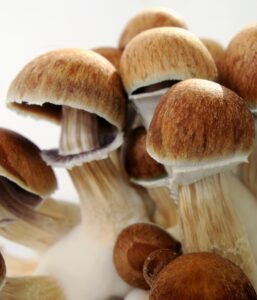
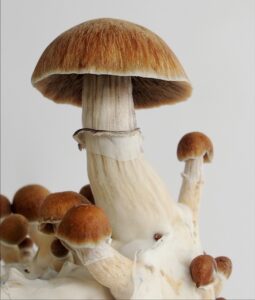
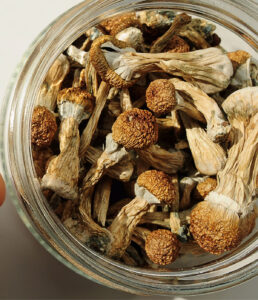
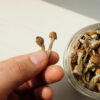
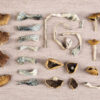
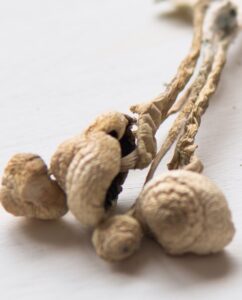
The study begins by providing an overview of mycotherapy and its potential applications in mental health and addiction treatment. Mycotherapy has gained increasing attention in recent years due to its wide range of biologically active compounds that can interact with various biological systems, thus offering potential therapeutic benefits. The paper specifically focuses on the role of psilocybin, a naturally occurring compound found in certain species of mushrooms, known for its potent psychoactive effects.
The authors present a review of existing literature on the use of psilocybin-assisted psychotherapy for the treatment of AUD. They analyze the outcomes of clinical trials, case studies, and observational studies, which collectively provide evidence of the safety and efficacy of psilocybin when used in a controlled and supervised setting. The paper highlights that psilocybin-assisted therapy has shown promising results in reducing alcohol consumption, improving abstinence rates, and decreasing cravings for alcohol in individuals with AUD.
Additionally, the authors discuss the possible mechanisms underlying the therapeutic effects of psilocybin in the context of AUD. They emphasize the role of psilocybin in modulating the serotonergic system, which is responsible for regulating mood, cognition, and behavior. Psilocybin\’s influence on the serotonergic system is thought to induce lasting changes in neural plasticity, which may contribute to the long-term improvements observed in AUD patients undergoing psilocybin-assisted therapy. Furthermore, the mystical or peak experiences induced by psilocybin may lead to profound psychological insights and personal transformations, which could be key factors in promoting long-term recovery from AUD.
The paper also addresses the challenges and limitations of psilocybin-assisted therapy for AUD. One key challenge is the need for well-trained therapists who can provide appropriate support and guidance during the psychedelic experience. The authors also acknowledge the potential for adverse effects, such as anxiety and transient psychotic symptoms, and emphasize the importance of careful patient selection and preparation to minimize risks.
Despite these challenges, the authors argue that mycotherapy, specifically psilocybin-assisted therapy, holds significant promise as a novel and effective treatment option for individuals struggling with AUD. The paper concludes by calling for further research to establish standardized protocols for psilocybin-assisted therapy, assess its long-term efficacy, and identify factors that predict treatment success. As the body of evidence supporting the therapeutic potential of psilocybin continues to grow, it is crucial to consider the integration of this innovative approach into mainstream addiction treatment to improve outcomes for individuals suffering from AUD.